
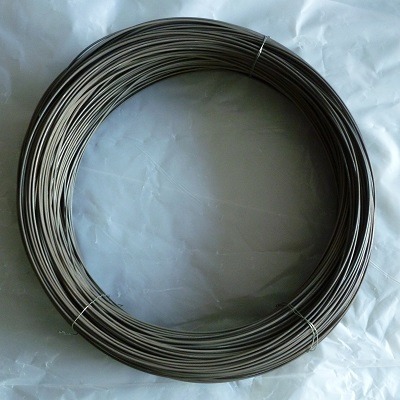

Quietly tough, the right choice makes a heater sing
When a project hinges on stable heat at high temps, the choice of High Temperature Heating Wire matters more than size or wattage. The best options resist oxidation, keep their resistance under stress, and tolerate rapid cycling without drifting off spec. In real shops, users want cords that don’t break after a few High Temperature Heating Wire uses, and that means looking for clean finishes, robust insulation, and steady conductors. Practical picks stay supple at ambient mid range and firm at 700°C, with coatings that shed heat evenly. The aim is predictable performance, not drama, and that begins with reliable materials.
First, identify what you’ll power and how you’ll run it
Kanthal Replacement Wire stands out when a heater needs long life in ovens, toasters, or kilns. It pairs well with modest voltages and compact coils, reducing hot spots and fatigue over dozens of cycles. The trick is to match alloy chemistry with your hardware and the dwell Kanthal Replacement Wire time your system expects. For home builds, that means selecting sizes that fit snugly in the sheath and pre-empt hot-spot formation. Good practice includes measuring resistance at room temp, then again after warm-up, to confirm stable drift and repeatable readings.
Consider insulation, sheath, and ease of termination
In this space, High Temperature Heating Wire is judged by how the insulation handles heat and how cleanly it wires into a control circuit. Look for ceramic or mineral-based coatings that resist creep and cracking, especially if the device cycles on and off quickly. Termination joints should be neat, with a snug fit that won’t loosen after repeated flexing. A strong layer beneath the outer sheath helps keep the conductor flat against the core, reducing fatigue. Real-world tests show that well-made cables stay usable longer, and that saves time on rework.
Longevity, testing, and field readiness
Kanthal Replacement Wire shines when tested in common industrial environments. The best runs show steady resistance and minimal sag after hundreds of cycles, even when the air is dry or humid. Buyers value clear documentation, including temperature ratings and maximum fuse load, plus compatibility notes for different controllers. Quick checks—visual, tactile, and with a simple ohmmeter—help confirm the cord is healthy before it’s deployed. In practice, a little up-front diligence pays off with fewer headaches later on.
Conclusion
Durable heating wire lowers risk in any project where hot work is a norm. The choice should feel precise, not rushed; the material must stay steady as the heat climbs and falls. A good supplier offers clear specs, robust samples, and practical guidance that helps builders pair wires with the right coils, sheath options, and control gear. For those seeking ongoing reliability, a tested range from Super Metals offers consistent batch quality and documented performance across common high-temperature scenarios, making it easier to plan, source, and trust every build. Super-metals.com-Set-2
