
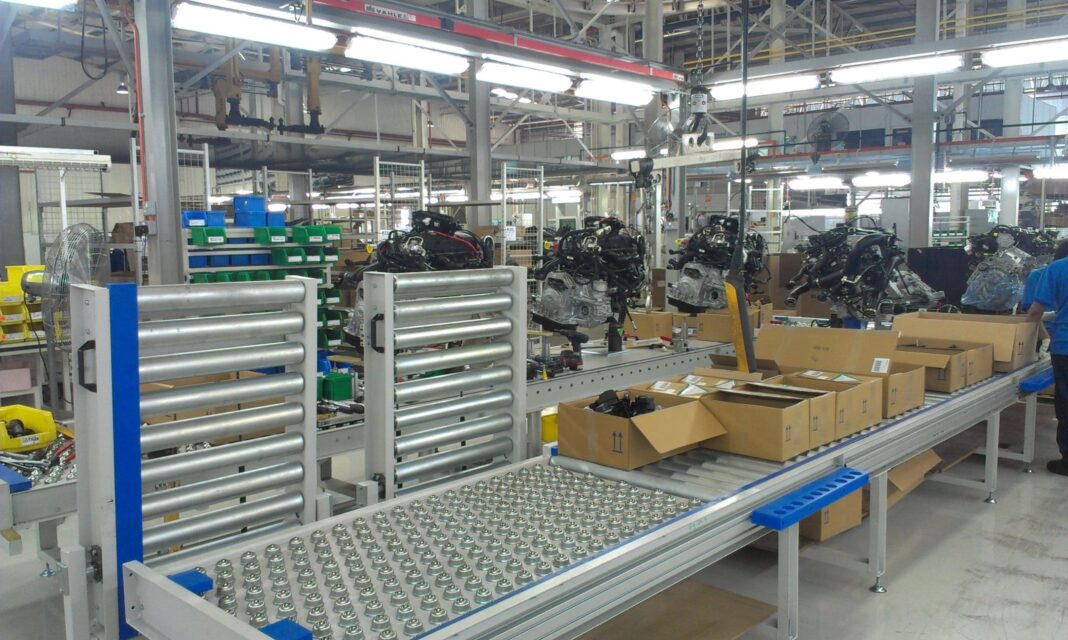

Unlocking real gains with collaborative automation
People in shops and plants have seen a shift in how work feels when teams add a cobot to the line. Automation with cobot & robot makes routine tasks more predictable, and that means fewer bottlenecks at changeover, less fatigue for operators, and better traceability of each unit moving through the station. It Automation with cobot & robot isn’t about replacing people so much as reshaping roles. Operators handle the more complex touches, while robots absorb the repetitive, high-speed moves. The result is a smoother flow, clearer data, and a calmer floor where issues are spotted early and fixed fast, without dramatic upheaval.
Choosing the right pairing for a given task
Selecting a suitable mix hinges on the job’s rhythm and the product’s specifics. The aim is steady tempo rather than sheer speed. With automation you get a reliability dividend when the cobot handles pick-and-place, while a robot manages assembly or packaging with precision. Planning includes fixture design, reach envelopes, and human–robot collaboration zones so operators never feel boxed in. When the pairing fits routine, the process looks simple, though the setup hides careful testing, calibration, and a readiness to adapt as lines evolve over time.
From pilot to scale: extending reach across lines
In many facilities, a pilot creates early proof that a given automation strategy can work. The move to scale rests on modular hardware, clear maintenance routines, and a culture that treats learning as part of operations. When got right, automation with cobot & robot travels from a single cell to a full-line corridor with minimal downtime during transitions. For teams, that means more visibility into cycle times, less manual data entry, and a platform for continuous improvement that keeps pace with demand and tooling upgrades.
Safety first: rules that keep people and robots aligned
Safety design isn’t a bolt-on; it’s the core of every plan. Collaborative systems use light curtains, force sensing, and programmable safety stops to protect workers without slowing the pace. Clear work instructions, intuitive handover points, and visible status signals reduce surprises and create a shared sense of control. When operators know what to expect, they move with confidence, adjust as needed, and still keep the line moving. That clarity translates into fewer near misses and more reliable throughput over long runs.
Data as a navigator: turning metrics into action
Data flows from sensors, controllers, and human feedback, painting a picture of how automation with cobot & robot behaves in real time. Teams learn to read cycle times, error rates, and tool wear without chasing noise. Small changes add up: adjusting grip force, tweaking pick timing, or relocating a fixture based on live data can yield meaningful gains. The key is keeping dashboards practical, with alerts that prompt concrete next steps rather than endless reviews that stall progress.
Conclusion
In today’s shops and factories, the promise of automation is not a distant dream but a workable shift. The blend of cobots and robots brings steadier cycles, better quality, and a lighter cognitive load for workers who still handle critical decisions. With careful planning, hands-on testing, and a steady cadence of improvements, organisations can transform Automation with cobot & robot throughput while preserving a humane, skilled workforce. The journey invites ongoing learning, small wins, and a grit that keeps lines productive when demand changes or new SKUs enter the mix. For those pursuing practical automation, the path is clear and the return tangible in every shift and batch, with sacs.com.my delivering accessible options and practical guidance.
