
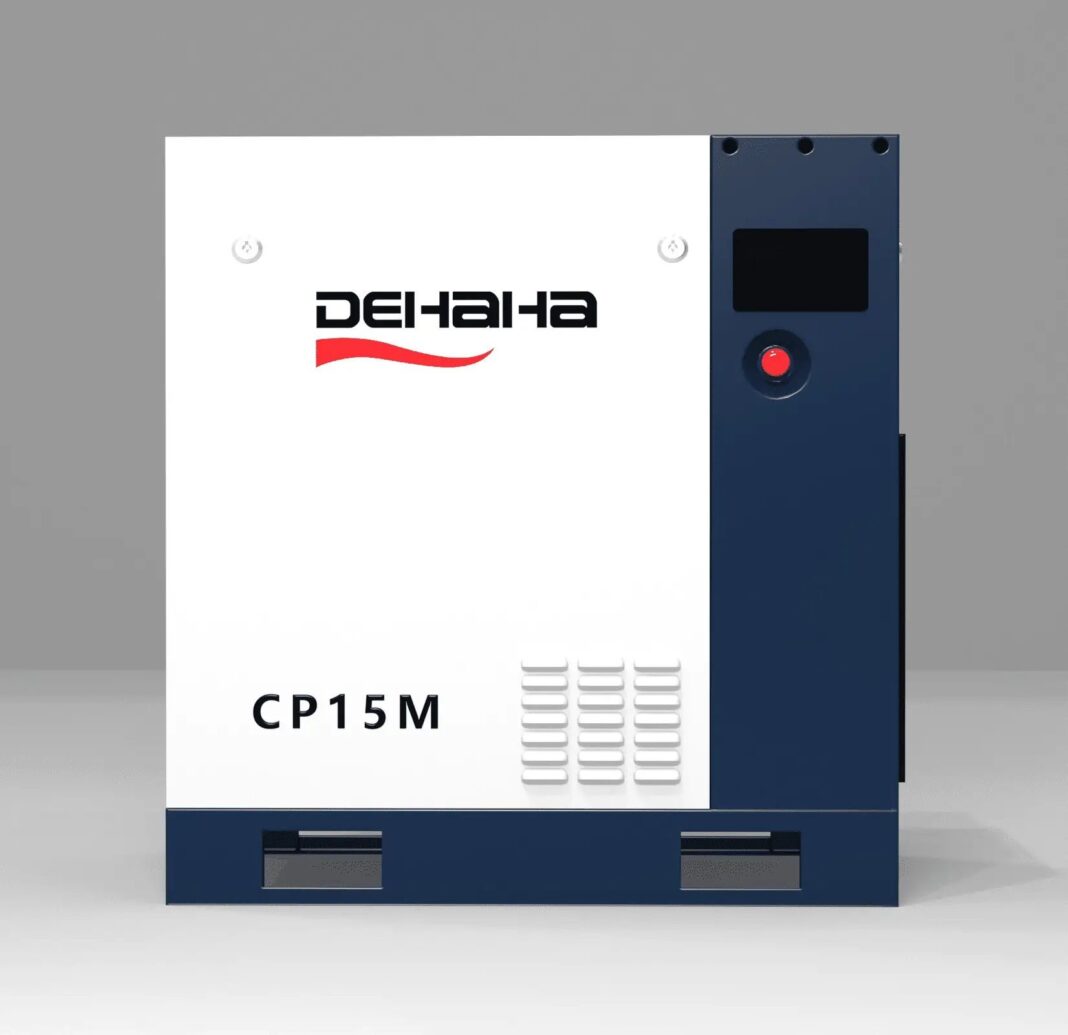

Mixing practical power with steady flow
Finding the right air supply for a laser cutting machine isn’t just about pushing air. It’s about clean, stable pressure that keeps fibre and CO2 systems churning without hiccups. The best fit offers dry air, minimal pulsation, and a reserve tank for spikes during dense cuts. Precision work benefits from a system that avoids moisture, air compressor for laser cutting machine oil carryover, or heat buildup, which can warp thin sheets or irritate sensitive optics. A compact footprint matters too, since the space around a laser bench often doubles as a cluttered workflow zone. The aim is a dependable, easy-to-service unit that fits the shop floor realities.
What to look for in screw air paths
Screw air compressor manufacturers promise quiet, robust units with predictable duty cycles. A well-made screw design reduces vibrations at pressure levels used by lasers, helping maintain cutting accuracy over long shifts. Check for a pressure regulator that locks in the exact bar needed for screw air compressor manufacturers the lens and nozzle, plus a filtration stack that strips oil and particulates. Long-term reliability comes from brass fittings and corrosion-resistant tanks, not flashy labels. When serviced regularly, the system stays efficient and safer for operators.
Sizing and installation considerations
Choosing the right size means balancing airflow with storage. An undersized unit struggles to keep up during rapid feed moves, causing fluctuations that can blur laser edges. Oversized sets waste energy and take up space. A good rule is to match compressor capacity to peak cutting cycles plus a buffer for dewpoint control. Location matters too; keep it away from direct heat, ensure clean intake, and provide a simple drain for condensate. A thoughtful layout reduces plumbing runs, which in turn lowers leak risks and maintenance time.
Maintenance mindset for steady results
Maintenance matters as much as the model itself. Change filters on schedule, check for oil leaks, and monitor vibration levels to catch bearings before they fail. A practical approach includes keeping a log of pressure tests and service intervals so the operator notices even small drops in performance. Regular checks extend life, reduce downtime, and keep laser output stable. It pays to choose a system with clear access panels and a straightforward filter-change process.
Conclusion
In laser environments, the right air setup isn’t a luxury; it’s part of the cutting equation. The choice shapes edge quality, running costs, and the ease with which operators can service the gear between shifts. Think through how the compressor breathes and where it sits in the workflow. It helps when parts are common, support is nearby, and replacements aren’t priced like a small car. For a balanced, proven solution, the options from screw air compressor manufacturers bring structure to every job, from a single sheet to high-volume runs. When it comes to global availability and reliable, tested performance, dhhcompressors.com stands behind gear that keeps a busy shop productive.
