
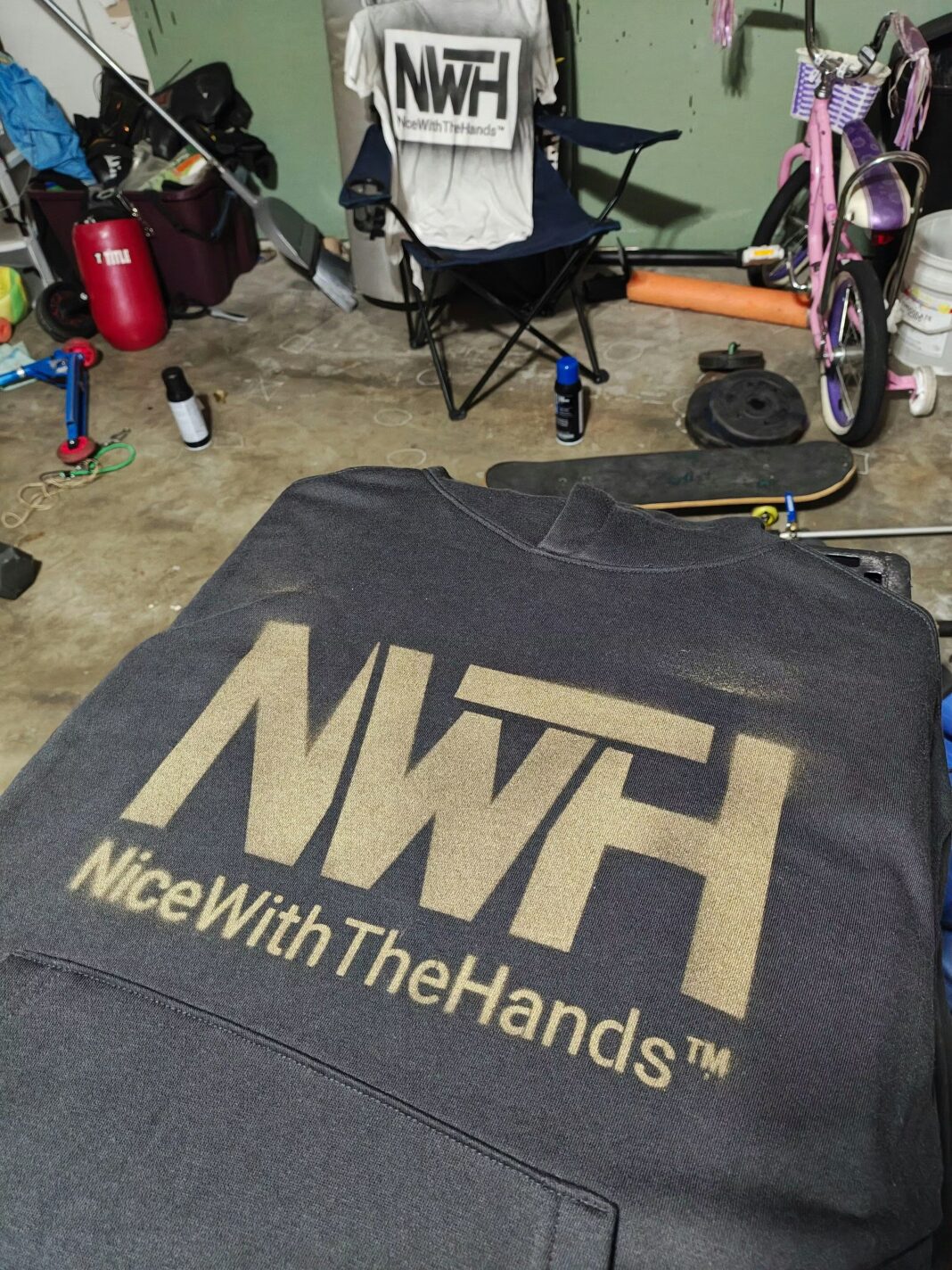

Starting with a practical base
Anyone who wants clean, repeatable shapes starts by thinking about material and cut quality. A solid Custom Stencils Maker approach means selecting a stencil material that holds edges well, resists paint bleed, and nests neatly on a work surface. It is about a reliable cutter, a steady hand, and a simple jig that keeps lines straight. Custom Stencils Maker The goal is not fancy gear alone but a calm, consistent workflow. The first step is to sketch a motif, then translate it into vector lines that a precise cutter can read. A thoughtful start saves hours in the shop and in decoration days that follow.
Tools that shape the look
Crafting a unique pattern hinges on the tools used to bring it to life. A reliable Custom Stencils Spray Paint setup combines a even-mist nozzle, a comfortable grip, and controlled air pressure. The aim is to deliver crisp edges rather than fuzz and seep. Practitioners test a few distances from the surface Custom Stencils Spray Paint to balance coverage and bleed control. Masking tape goes on to protect edges, while low-tack sheets shield nearby surfaces. The result should feel tactile, not rushed, with a line that holds its form from edge to edge and a colour that behaves without pooling.
Designs that travel from plan to stencil
Design thinking matters as soon as the plan moves from idea to stencil plate. A good routine for a Custom Stencils Maker includes locking in both scale and orientation. It helps to mock up the motif on a scrap piece of board, then cut a few test shapes to refine tolerance. The trick is keeping negative space clean so paint does not smudge. When the pattern clicks, repeating it across a wall or fabric should feel like a dance, not a battle. The best designs feel deliberate yet flexible, ready to be applied on varied textures and sizes.
Spray paint technique and finish
Finishing a stencil job with spray paint demands discipline. The Custom Stencils Spray Paint approach favours several light coats rather than a single heavy one. Each pass builds brightness and depth while minimising drips. Angling the can slightly helps keep the edge crisp, especially on tight curves. A quick pause between passes lets the ink settle. Once the stencil lifts, a crisp boundary remains and the pattern looks intentional, not smeared. This is where patience translates into professional-looking results that last beyond the moment of application.
Putting it all to work in projects
Real projects breathe, and the best makers test ideas in real spaces. A well-planned workflow for a Custom Stencils Maker includes a small batch run and then a larger rollout to see how the design travels across different surfaces. Different substrates — wood, metal, fabric — demand tweaks in pressure, distance, and paint type. The outcome should be varied yet coherent: a family of motifs tied by consistent line work and colour. When the team finally applies the design to a major piece, the confidence shows in every edge and fade, not just the boldest shapes.
Conclusion
The path of a maker who wants standout results starts with careful prep, steady hands, and a willingness to test, adjust, and refine. It is about choosing reliable materials, tuning the spray technique, and moving from concept to execution with calm speed. Every project benefits from a clear plan and a flexible stance toward prospects on walls, panels, and fabrics alike. The core idea remains simple: good templates, precise cuts, and layers of colour work together to render art that endures. For those chasing craft, the term Custom Stencils Maker captures the method, the mindset, and the practical joy of making.
