
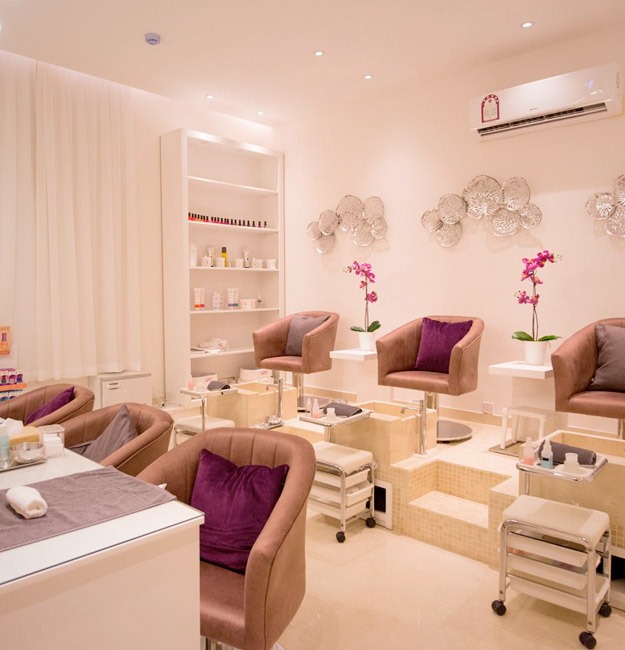

Atmosphere first, then details
The idea behind a luxury home interior designer hinges on how a space feels before it looks. It starts with quiet conversations about light, scale, and texture, then moves to the tangible: handpicked fabrics, the precise weight of a chair, the acoustic hush in a dining room. A good designer doesn’t chase trends luxury home interior designer so much as curate a story the client can live in. They map routes of sight and touch, guiding how a room breathes and ages. This means rooms that invite lingering, not quick glances, with materials chosen for tactility and longevity as much as beauty.
A market map for refined sensibilities
In practice, a blends artful restraint with bold statements. They know the price of a suede, the glow of brushed brass, the warmth of walnut. The process is collaborative, not imposing: samples laid out on a coffee table, notes shared on a whiteboard, and commercial interior decorator Doha a careful cadence of meetings. They ask what colour stories resonate with daily life, what rituals the home supports, and which corners deserve a moment of quiet drama. It’s about cultivating a room that ages well while staying present and relevant.
Materials that tell a durable story
Durability is a luxury in its own right. The best projects mix materials that look pristine for years with easy care in mind. Think full-grain leather that patinas richly, or cement tiles that gain character with footprints and wheeze of daily use. The choice of textures—velvet, wool, linen—creates a tactile biography for each room. A true expert also understands environmental impact, sourcing locally where possible and selecting finishes that resist wear. The goal is elegance that survives the rigours of modern life without feeling finicky or precious.
Layout discipline with human scale
Space planning is where function meets poise. A renowned commercial interior decorator Doha mindset informs residential work too: clear circulation, sightlines from key seating areas, and zones that balance sociability with retreat. The trick is not to clutter, but to carve edges and intervals that invite conversation and calm. Furniture is chosen for proportion and reason, not just for beauty. Corridors should feel generous, kitchens should glow with practical light, and bedrooms deserve a hush that makes sleep easier and morning easier still.
Lighting as a room’s heartbeat
Lighting guides every moment in a room. A luxury home interior designer looks at how daylight shifts through a site, then layers artificial light with intention. Task lighting helps focus, ambient light softens, and accents highlight sculpture or artwork. A key choice is dimming, enabling moods from bright focus to low-night time ease. The best projects treat light like a character, shifting with seasons and routines, turning ordinary hours into something almost cinematic without shouting for attention.
Conclusion
Spaces evolve when care is poured into details, when fabrics age with grace and rooms invite touch, sight, and memory. A thoughtful approach blends timeless forms with fresh health of life. The aim is a living environment where daily rituals become rituals of beauty, where every corner earns its place, and where quiet luxury feels like a natural extension of the person who inhabits it. In the end, the strongest rooms are those that listen, adapt, and endure—the kind of places that turn a house into home and a home into a daily pleasure that lasts for years to come.
