
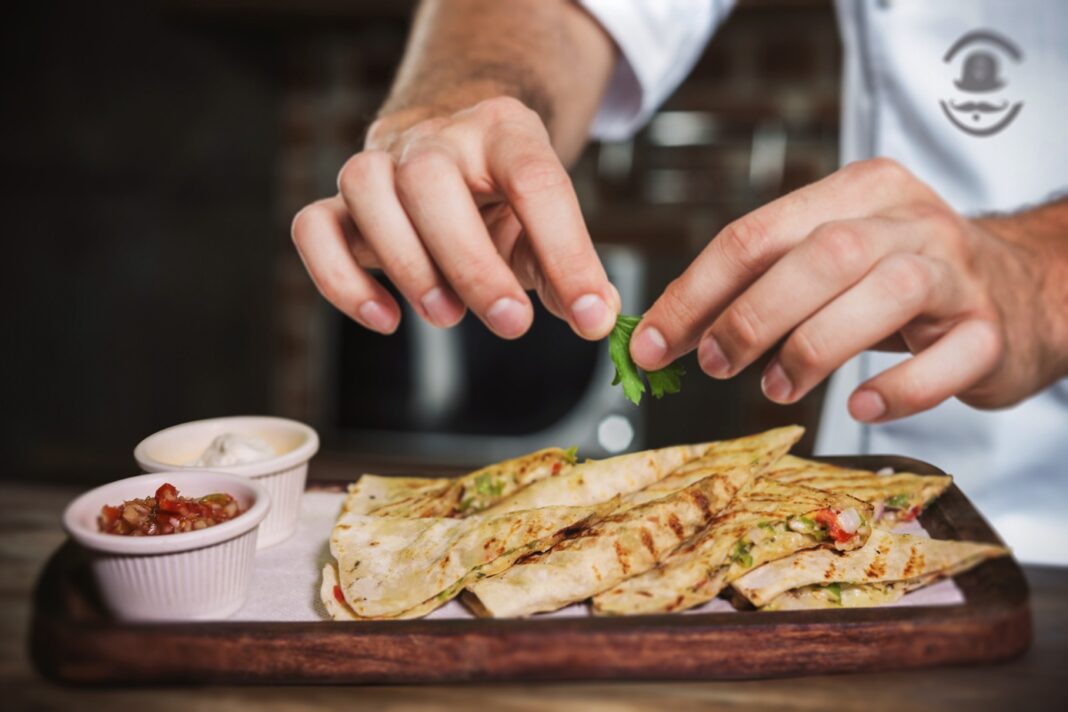

Fresh insight for optimising operations in a busy kitchen
When kitchens face thinning margins and rising waste, the right partner can make a real difference. A seasoned approach from food and beverage consulting companies helps refine menu engineering, calibrate portion sizes, and sharpen supplier terms without sacrificing quality. Managers who lean on practical frameworks see shorter pilot food and beverage consulting companies cycles, clearer accountability, and fewer last‑minute rushes. The aim is to turn complex data into actionable steps that staff can follow on a busy floor. The result is steadier service, more accurate orders, and a sense of calm amid peak hours.
Practical steps to tighten plate costs and keep guests satisfied
Portion control training Ethiopia becomes a critical lever when every plate matters. Trained teams learn to weigh, count, and log plate components so cooks don’t guess at portions during a busy service. The outcome is consistency across shifts and fewer plate portion control training Ethiopia rejects. Clear templates, visual guides, and quick checks help cooks stay aligned with the standard recipe. The approach respects guest expectations while protecting margins, turning a routine kitchen task into a measurable performance metric.
A structured path from concept to reliable, trained staff
In a competitive hospitality scene, food and beverage consulting companies offer a practical blueprint for onboarding and ongoing coaching. They help map SOPs, implement standard tasting notes, and establish a cadence for calibration sessions. The process creates a shared language across chefs, line cooks, and servers. This alignment cuts miscommunication, speeds up onboarding, and builds confidence that every dish meets the brand’s promise, even in tight service windows.
Building sustainable practices that scale with demand
The second focus area, portion control training Ethiopia, brings a measurable uplift to inventory turns and guest satisfaction. Teams learn to forecast needs for peak nights, adjust orders with suppliers, and reduce waste through precise trimming and careful prep planning. The method emphasizes repeatable routines, not one‑off fixes, so kitchens can grow without losing control. The impact shows up in happier staff, steadier costs, and loyal guests who return for the predictable quality.
Conclusion
Effective guidance from experienced partners translates messy back‑of‑house data into clear, repeatable actions. The right programme sharpens cost control, improves portion accuracy, and clarifies responsibilities across teams. It is about teaching teams to read the numbers, not just follow a recipe. Over time, facilities notice fewer spills, faster prep, and more consistent plating. For organisations seeking a tested path forward, a trusted firm offers structured coaching, practical audits, and hands‑on training that sticks. Those seeking durability find value in a partner like bvalet-consulting.com guiding the process with honesty and results.
