
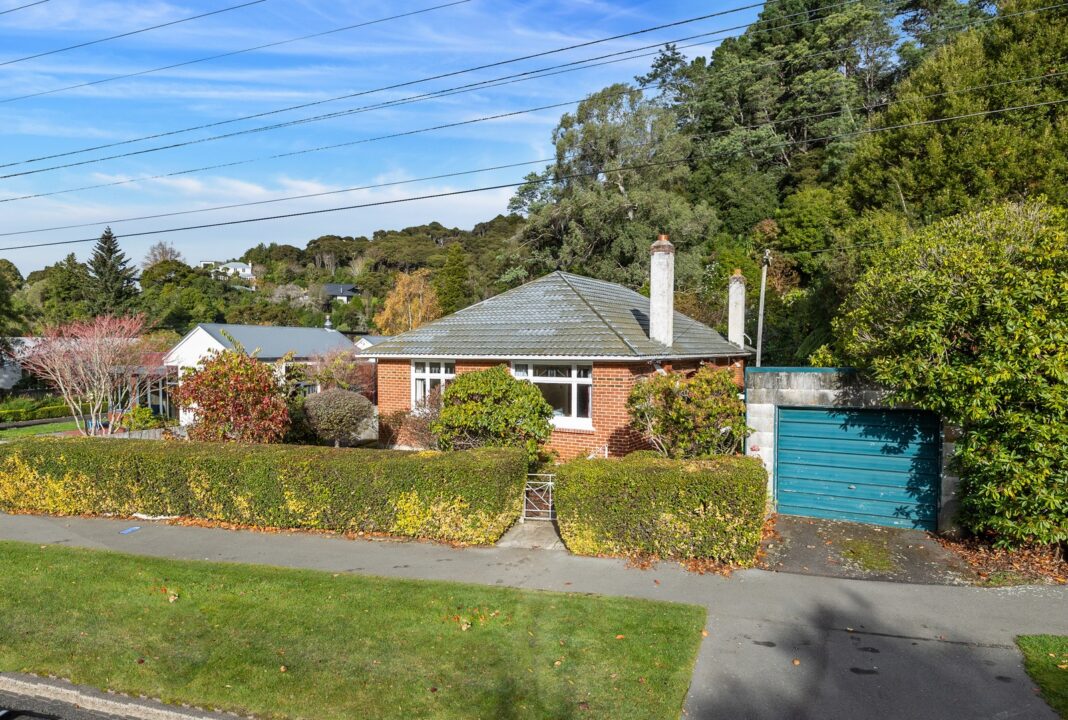

Finding the right path in a changing market
For operators eyes fixed on growth, the focus shifts from stone and stucco to value, risk, and timing. When considering assisted living facility real estate, owners and investors seek properties that blend accessible design with durable systems—elevators, fire safety, walkable streets, and spaces that suggest comfort rather than clinical distance. The landscape rewards assisted living facility real estate properties near health networks, but it rewards sound planning more. A solid grasp of zoning, permitting, and long‑term maintenance costs helps separate hollow hype from real opportunity. The aim is to curate spaces that feel inviting while supporting efficient service delivery and steady occupancy.
How to spot a solid RCFE business for sale
When a mature care business hits the market, buyers scan revenue streams, staffing realities, and community reputation. An RCFE business for sale should come with clear tenant and resident profiles, predictable operating expenses, and a capable team in place. Scrutinise occupancy history, waitlists, and payer mix. Look for well‑documented policies on rcfe business for sale admissions, care plans, and regulatory compliance. A clean transfer plan matters—faster closings reduce downtime and preserve resident trust. The best deals bundle real estate value with a robust operations playbook that can be handed to a shop‑worn manager and still deliver reliable service.
Local demand signals that matter for operators
Markets with aging populations bring steady demand, but growth hinges on amenities, access, and price discipline. A practical lens checks transport links, nearby clinics, and independent living options that feed referrals. For a facility, the real estate piece must align with a sustainable service model—ample parking, flexible common areas, and private rooms that meet safety codes without feeling cavernous. The sweet spot sits where homey finishes meet measurable efficiency. When the community buys into the care narrative—staff presence, the cadence of care, and routine events—occupancy follows and real estate investment enjoys calmer cycles.
Capital strategy beyond bricks and mortar
Owners shape exits and reinvestment by balancing debt, cash flow, and capex demands. An effective plan treats the building as a platform for care, not a burden. Financing hinges on projected occupancy, payer mix, and the strength of the management team. Consider maintenance budgets for HVAC, lifts, and safety systems. A savvy buyer negotiates for transitional support—training, vendor agreements, and supply chain continuity. Real estate confidence grows when the numbers show steady EBITDA, clear depreciation paths, and upgrade plans that promise improved resident satisfaction without destabilising pricing.
Operational tweaks that preserve value over time
Staffing models matter as much as floor plans. Cross‑trained aides reduce overtime, while defined care tiers help match worker hours to resident needs. On the real estate side, adapting common areas into flexible spaces can extend usable life; a bright lounge becomes a wellness hub or a therapy corner as needs shift. Regulators respond to clear records and transparent care plans, so data hygiene in charts, incident logs, and rosters pays dividends. The strongest operators keep a tight grip on supplier contracts and preventive maintenance. Good choices here protect both margins and reputation in a crowded market.
Risk control and lasting community ties
Risks from regulatory changes, staffing shortages, or insurance costs loom, yet steady relationships cushion the blow. Build rapport with local agencies, medical groups, and family councils. A thoughtful facility shows up in audits, keeps downtime minimal, and communicates changes with residents and families. The market rewards facilities that demonstrate resilience: disaster planning, energy efficiency upgrades, and scalable care pathways embedded in the care team’s daily routines. Real estate moves become more predictable when the blend of care quality and property strength forms a simple, trusted story for residents and investors alike.
Conclusion
The journey through care real estate is about pairing spaces with people who need certainty and warmth. Buyers and sellers must read occupancy signals, regulatory ecosystems, and the economics of upkeep with equal care. A disciplined approach builds durable value, where an assisted living facility real estate decision supports ongoing care excellence and dependable cash flow. The best outcomes hinge on clear transfer plans, well‑structured maintenance regimes, and a network of trusted vendors. For those exploring strategic routes, guidance from seasoned market players matters, and a thoughtful, hands‑on approach pays off in calmer days for residents and steadier returns for investors. This field rewards timing, transparency, and steady hands, with the right advisor turning risk into a clear roadmap toward sustainable growth for everyone involved. Visit assistedlivingrealestategroup.com for context specific guidance and practical connections that keep the journey grounded in real results.
