
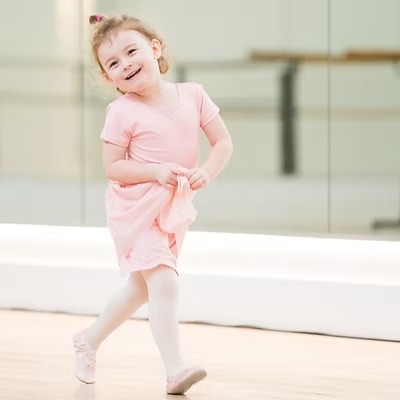

Foundations for steady, expressive movement
Technique training for should feel practical, not arcane. The best drills start from simple alignment: feet rooted, shoulders soft, core engaged. In a circle of peers, a coach leads with cues that are concrete and timed, so every child finds a moment of control. Short, rhythmic tasks mix technique training for with longer sequence work, letting kids feel progress without getting bogged down. The teacher notices breath, weight shifts, and moments when a dancer reads a space with a quick, almost stubborn focus. The room breathes with small wins and clear, precise feedback.
Safe space first, then the tempo rises
Youth dance classes thrive when safety is non negotiable. Warmups are intentional, guided by joints not just goals. Clear boundaries on floor work, landing from jumps, and partner lifts build trust. Once kids know the ground rules, the tempo can rise gently. A snappy, youth dance classes 90-second drill followed by a longer phrase helps focus while keeping spirits high. In this setting, the routine becomes familiar, and that familiarity translates into quicker learning. The result is confident exploration without fear of making mistakes.
Drills that listen to growing bodies
Progression is the quiet driver in any good class. Teachers tailor exercises to age, strength, and coordination, saying, for example, “keep your ribs tucked” or “find a soft bend in the knee.” Short, practical cues appear as a chorus in every session, moving from plies to balances with a natural arc. Kids learn to self-correct by watching a peer or a mirror, then check their form with a simple breath cue. The approach stays playful yet precise, so technique becomes a habit rather than a chore.
Feedback that guides, not docks points
Constructive feedback lands when it’s specific and kind. A mentor might say, “feel the height in your reach,” then offer a tactile assist or a visual cue. The aim is to build agency, so dancers know what to adjust and why. Mixed age groups foster peer coaching, too, with older kids modelling control and younger ones mimicking the rhythm. When feedback is framed as a map, not a verdict, motivation stays intact and growth feels inevitable.
Choreography as problem solving
Combining steps into phrases is where learning crystallises. Dancers hear a pattern once, then repeat with slight variants to keep it engaging. Tempo, direction, and changes of level become tools, not hurdles. By breaking a sequence into bite-size chunks, students discover how small shifts alter the whole piece. In this setting, youth dance classes grow into a collaborative puzzle, where each dancer contributes a piece, and the whole becomes more than the sum of its parts.
Performance edges taught in rehearsal rooms
Even in practice spaces, rhythm meets expression. Spontaneous corners of stage presence emerge as kids learn to ride the music and shape their faces for audience impact. Quick sprints across the floor pair with controlled stops to mirror a live moment. Teachers weave lighting, texture, and spatial awareness into the sequence, so the finish feels earned, not rushed. The aim is a confident, readable story told with posture, timing, and trust between dancers on and off the floor.
Conclusion
Young dancers grow when technique and play align, and the path is clear enough for bright minds to follow. The approach blends precise cues with room for risk, making each session a noticeable step forward. Students leave with better balance, quicker reflexes, and a sense that technique training for youth dance classes movement belongs to them. In the landscape of youth dance classes, consistent practice, constructive feedback, and a calm, encouraging tone unlock steady progress. Technique training for becomes a practical engine that pushes each learner toward sharper form and richer expression, month after month, year after year.
